
Our Steel
We build with Cold Formed Steel (CFS). The next generation framing system. Faster construction with less waste.
Our Steel. Built to Last.
At Well Done 1 Homes we build with Cold-Formed Steel (CFS) because it is strong, precise and built to last. Every frame is engineered to the customers location, meets American standards and carefully selected for durability, safety and performance.
Discover Cold-Formed Steel for a home that’s built to last for generations.
For an investment worth a return choose a frame supplied by Well Done 1 Homes.
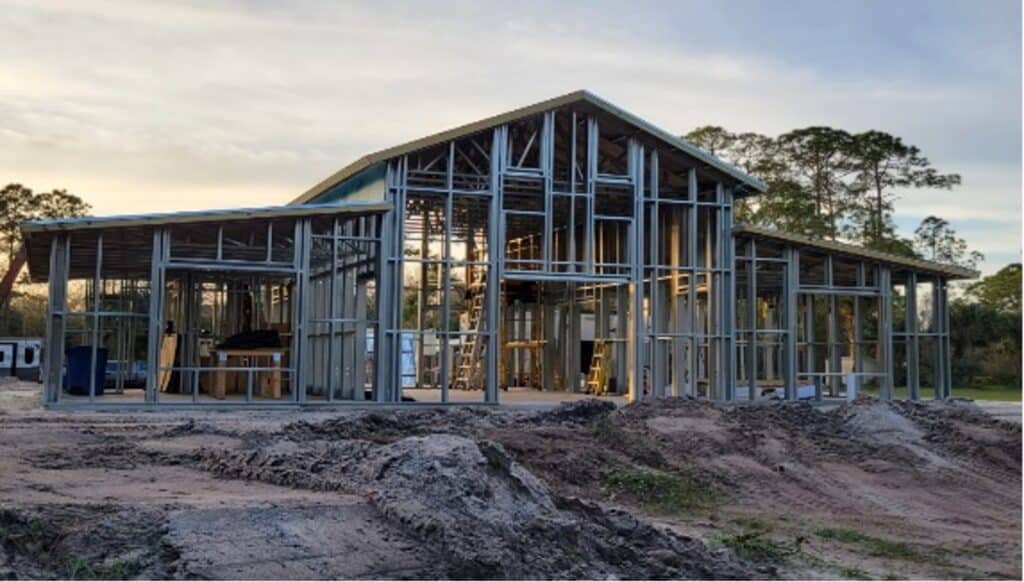
Watch a Project Come to Life
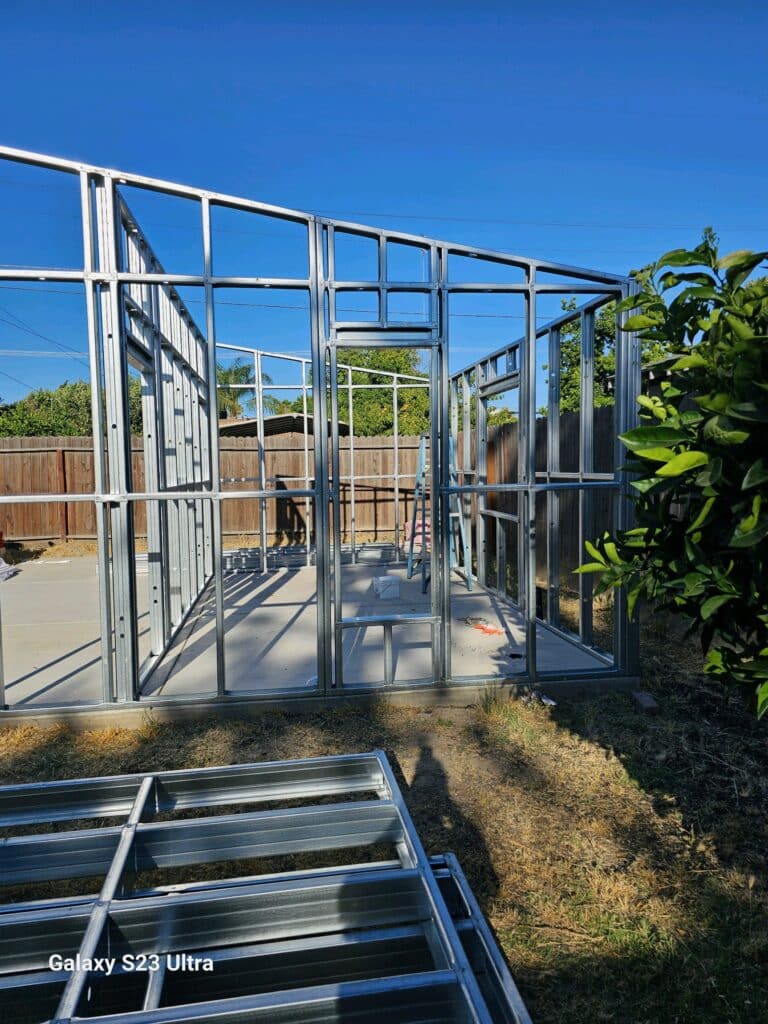
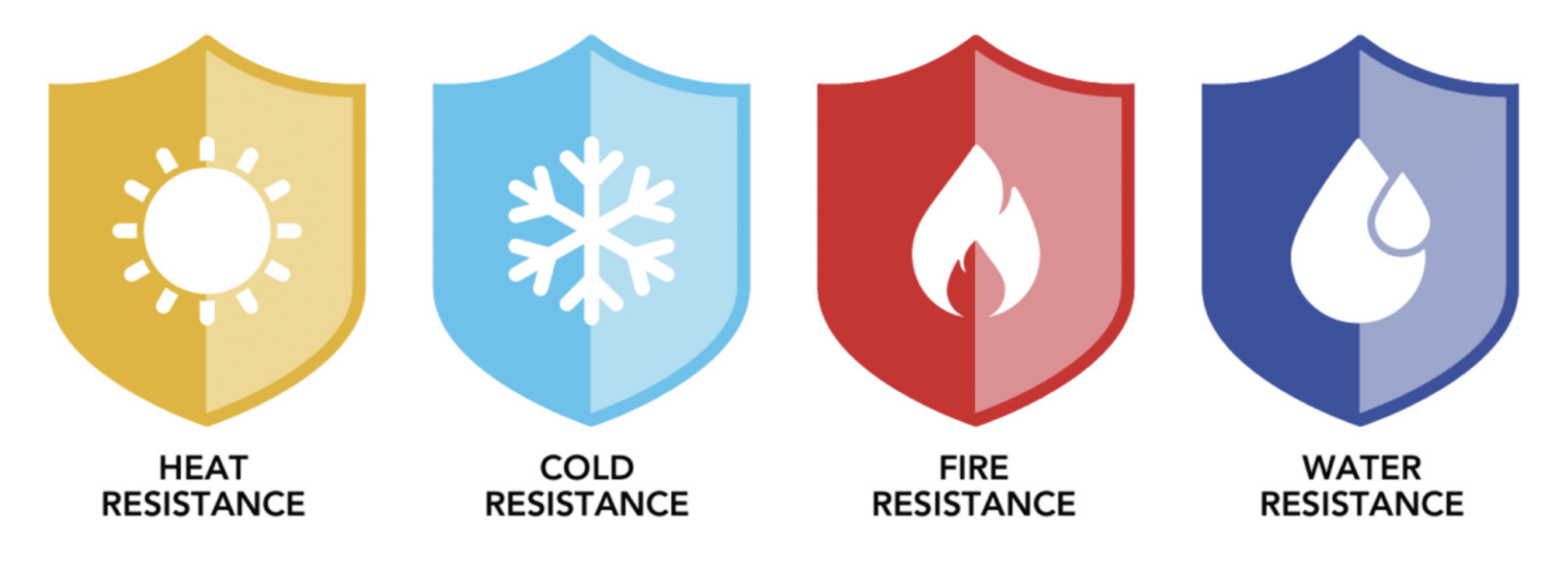
Why Choose Cold-Formed Steel (CFS)?
Unlike traditional timber, Cold-Formed Steel offers unmatched precision and reliability.
Using American-standard steel ranging from G60 to G90, our structural engineers determine the right gauge and grade for your project based on location, zoning, and environmental factors.
These grades define both the thickness and coating of the steel, giving your structure the right level of protection against corrosion and weather exposure.
Key Benefits
- Up to 50-year warranty (compared to timber's 10 years)
- Resistant to warping, pests, and moisture
- Environmentally sustainable and recyclable
- Consistent precision through roll-forming techniques
- Suitable for ADUs, primary residences, and modular projects
Our Steel Standards and Compliance
Every CFS build at Well Done 1 Homes complies with rigorous American codes and standards, ensuring lasting performance and safety.
We align with:
- International Building Code (IBC) and ASCE for structural design
- AISI (American Iron and Steel Institute) specifications for CFS
- ASTM International standards for material quality, coatings, and fasteners
When incorporating Cold-Formed Steel (CFS) into your construction projects, it’s crucial to adhere to the rigorous standards set by American regulatory bodies.
Here’s a simplified overview to ensure compliance with USA steel standards:
1. Building Codes
Understand and comply with local, state, and national building codes that govern CFS usage. Important codes include the International Building Code (IBC) and standards set by the American Society of Civil Engineers (ASCE).
2. ASTM Standards
Choose materials and products meeting ASTM International’s technical standards related to CFS construction. This ensures quality and performance in components such as steel, coatings, and fasteners.
3. Structural Engineering
Collaborate with a licensed structural engineer experienced in CFS to design and analyze your building’s structural integrity, ensuring compliance with safety requirements and building codes.
4. Quality Control
Implement quality control measures throughout construction, including material testing and inspections, to maintain the integrity and durability of CFS components.
5. Building Permits
Obtain necessary permits from local authorities before construction begins, submitting detailed plans demonstrating compliance with CFS-specific codes and standards.
6. Inspection and Certification
Schedule inspections at key construction stages to verify compliance with codes and specifications. Consider involving third-party inspectors or certification agencies for independent verification.
7. It's important to note
Our steel construction process follows the Cold-Formed Steel (CFS) method. CFS involves shaping steel sheets or strips into structural components using cold-working techniques, such as bending and roll forming. This process allows for precise manufacturing of components and ensures consistency and accuracy in construction.
Following these guidelines ensures that your CFS construction meets regulatory requirements, guaranteeing the safety and quality of your project.
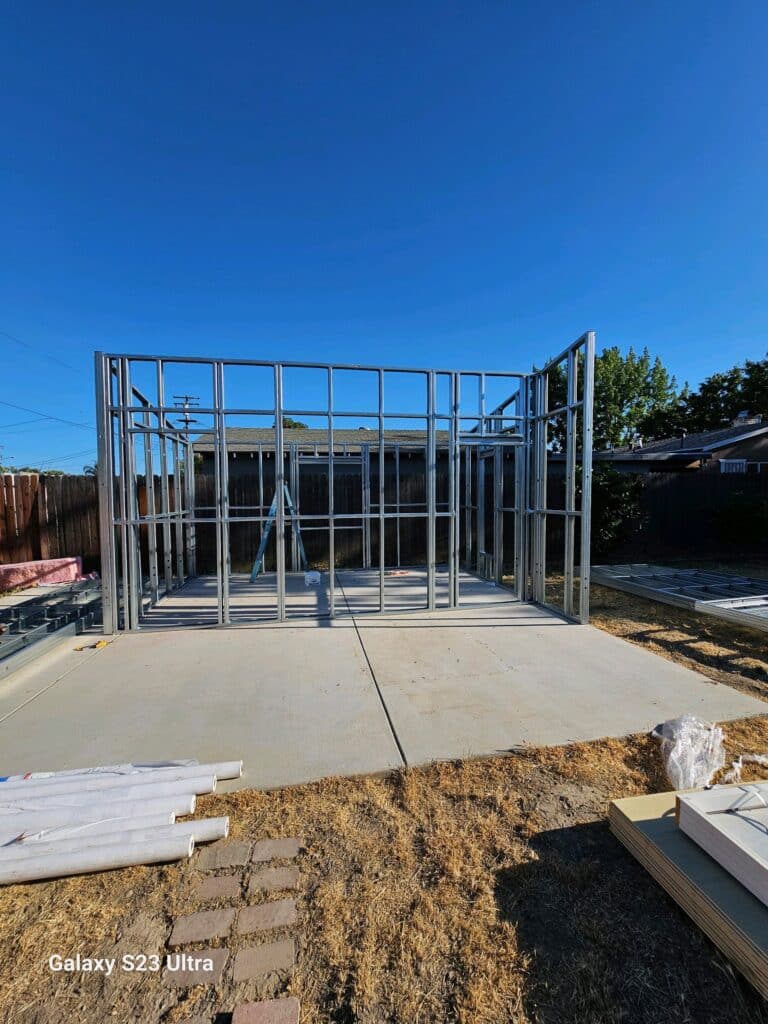

The Cold-Formed Steel Process
Cold-Formed Steel is created by bending and shaping thin sheets of galvanized steel through roll-forming, without heat. This process produces high-precision components that are lightweight, strong, and dimensionally stable, ensuring every part fits perfectly on-site.
CFS means:
- Faster assembly
- Less waste
- Stronger structural integrity
- Consistent quality control from factory to site
Our Sustainability & ESG Policy
At Well Done Kit Homes, we believe building a home should be both attainable and responsible. Our commitment to sustainability is built into every stage of our design, production, and delivery processes. We proudly embrace Cold Formed Steel (CFS) technology and sustainable materials to reduce environmental impact and create stronger, longer-lasting homes.
Environmental Responsibility
We take a proactive approach to protecting the planet by Utilizing Cold Formed Steel (CFS) — a 100% minimizes waste and reduces deforestation. Designing energy-efficient homes that support lower lifetime energy use. Partnering with suppliers who share our commitment to eco-friendly manufacturing and low-emission production methods. Continuously exploring new technologies and materials that improve resource efficiency and reduce our carbon footprint.
Social Commitment
We value the people who build, own, and live in our homes. Our commitment includes: Supporting safe and fair working conditions throughout our supply chain. Encouraging diversity, equity, and inclusion in our workforce and partnerships. Giving back to communities through affordable housing initiatives and local collaboration.
Governance & Integrity
We operate with transparency, accountability, and ethical business practices. Our governance principles include Complying with all U.S. federal and state building regulations and sustainability standards. Maintaining honest communication with clients, partners, and stakeholders. Promoting responsible leadership and continuous improvement in our environmental and social performance.
Our Promise
Every Well Done Kit Home represents our mission to provide affordable, sustainable, and high-quality housing solutions that stand the test of time. We are proud to lead with innovation, integrity, and environmental responsibility – because building well means building responsibly.